
Two trimmers can share the same blade, the same motor, and the same battery, yet sell at different rates for a reason engineers rarely discuss: the housing. Color and finish are the first specification a shopper perceives and the last one many brands think about. For a buyer planning a custom color grooming device, the housing decision touches everything downstream—perceived price point, shelf and thumbnail visibility, minimum order quantities per colorway, and even the quality-control plan, because color consistency is itself a manufacturing discipline. This article looks at how housing colors and finishes are chosen, produced, and verified, from the perspective of a factory that has been building grooming devices in Taiwan since 1977.
Why Does Housing Color Shape Purchase Decisions?
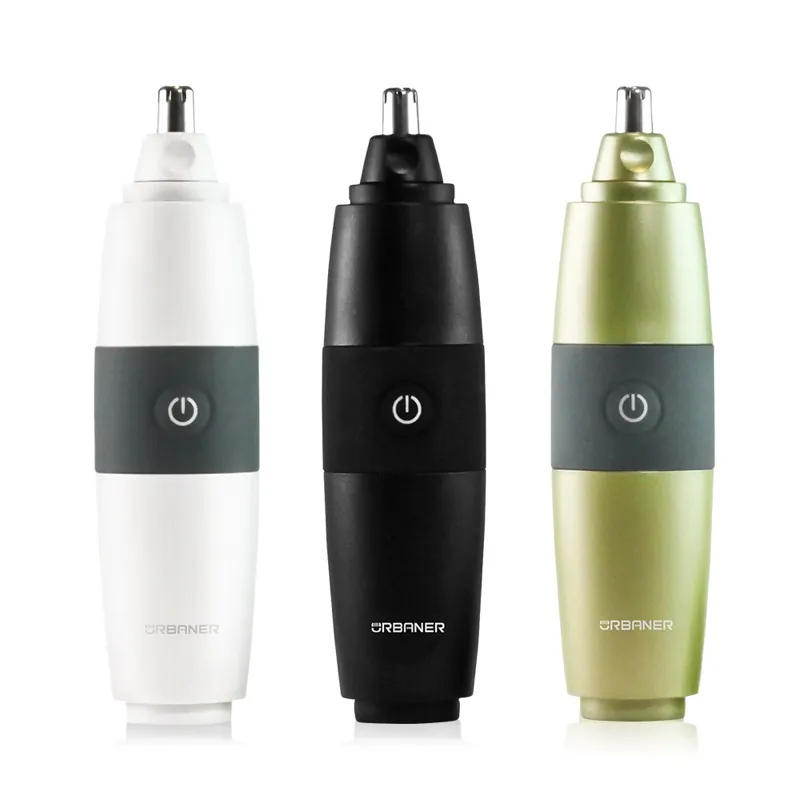
On a retail shelf or an e-commerce search page, a grooming device is a small object photographed at thumbnail size. Before a shopper reads a single specification, the housing has already communicated a price bracket and a personality. Deep matte black signals seriousness and technical capability; white reads clean and clinical, adjacent to skincare; metallic tones such as champagne or gunmetal signal premium positioning and typically support a higher price point than the same device in basic gloss black.
Color also does practical work in a product line. Brands that sell multiple models—a nose trimmer, a beard trimmer, a body shaver—use a consistent housing language so the products read as a family, and use accent colors to differentiate tiers. A single distinctive colorway can become the brand’s recognizable asset in a category where product silhouettes are broadly similar. This is why the color conversation belongs at the start of a private label project, not at the end—a sequencing point we also make in our guide on how to start a private label grooming brand.
Which Colors Sell in Which Markets?
Color preference is market-specific, and a palette that performs in one region can underperform in another. The observations below are directional patterns from serving buyers in more than 20 countries, not rules; your own market data should lead.
- United States. Men’s grooming skews toward matte black and dark gunmetal, with orange or red accents common in the value segment and minimal monochrome in the premium segment.
- Japan. White and light metallic housings perform strongly, consistent with a market where grooming sits close to skincare and precision. Compact, quiet, refined designs—such as pen-type formats—pair naturally with silver and champagne tones.
- Europe and the UK. Restrained palettes dominate: black, graphite, deep navy. Sustainability-minded retailers increasingly ask about finish processes and material choices alongside color.
- Gift-driven purchases. Across markets, devices bought as gifts—a large share of grooming-kit sales—reward premium metallics and coordinated gift-box packaging, because the box and housing are evaluated together.
A useful reference point: our MB-061 premium ear and nose trimmer platform carries three stock housing colors—white, black, and champagne—precisely because those three cover the clinical, technical, and premium-gift positions most brands target. Stock colorways like these let a first order launch without custom color development at all.
What Finish Options Exist for a Custom Color Grooming Device?
Color is only half the specification; finish determines how the color feels in the hand and how it survives a year in a wet bathroom. These are the main options a factory will discuss with you.
Molded-in color
Pigment is compounded into the plastic resin itself, so the color runs through the part. It is durable—scratches do not reveal a different color underneath—and economical at volume. Each color requires its own material batch and a line changeover, which is why minimums are typically set per colorway rather than per order.
Spray finishes
Painting over a molded part enables effects resin cannot achieve: soft-touch rubberized coatings, high-gloss piano black, and fine metallic flakes. Spray adds process steps and inspection points, and coating adhesion matters on a device that lives in a wet environment—a place where low-cost suppliers often economize invisibly.
Metallic and plated effects
Champagne, chrome, and gunmetal effects come from metallic paints or vacuum metallization. Real metal is also an option at the premium end: our MB-051 pen-type nose trimmer uses an aluminum case, giving weight, temperature, and texture no coating reproduces—at 22 grams it still disappears into a travel bag.
Surface texture
Texture is cut into the mold itself: fine matte stipple hides fingerprints and small scratches, gloss shows off deep color but shows every mark. Texture changes on an existing platform may involve tooling work, so raise them early.
How Does a Custom Color Grooming Device Affect MOQ and Timeline?
Custom housing colors are a standard part of private label manufacturing—KUNNEX lists them alongside logo printing or engraving, retail gift-box packaging, translated manuals, and accessory combinations in its Private Label Program. But color choices interact with commercial terms in ways worth understanding before you commit to a four-color launch.
| Choice | MOQ effect | Timeline effect |
|---|---|---|
| Stock colorway, your logo | Friendliest terms; typically lower end of the 1,000–3,000 unit range | Fastest; samples of existing platforms in 7–14 days |
| One custom color | Minimum applies to the colorway; material batch must be compounded | Color matching and approval add development steps before production |
| Multiple custom colors | Each color is effectively its own run; four colors at 500 units is not one 2,000-unit order | Each changeover and approval multiplies coordination |
| Custom finish (soft-touch, metallic) | Additional process cost per unit | Adds spray or metallization steps and inspection time inside the production window |
The practical pattern that serves most new brands: launch with one or two colorways—often one stock, one custom—prove demand, then extend the palette on reorder, when sales data can tell you whether the third color earns its minimum. Color approval itself should happen against physical samples under the lighting your market shops in, not against a screen; a hex code on a monitor and a molded part under retail LEDs are different objects.
How Do You Verify Color Quality in Production?
Color consistency is a quality dimension like blade sharpness, and it fails in characteristic ways: batch-to-batch drift between production runs, mismatched shades between mating parts molded from different material lots, and coating defects—dust inclusions, thin spots, orange peel—on sprayed finishes. On a marketplace listing, a customer photo showing a body and cap in two slightly different whites does damage no specification sheet can undo.
The controls are procedural. Approved master samples are retained and every production run is checked against them. Mating parts are molded from the same material lot wherever possible. Sprayed parts pass surface inspection before assembly, and at KUNNEX every device passes optical inspection before packing—the same discipline applied to blade quality, where every blade is hand-checked after grinding. Buyers are welcome to audit these controls directly; the factory hosts audits and third-party inspections as standard practice. For a sense of how housing and finish choices play out on a finished consumer product, our nose trimmer line—detailed on the nose hair trimmer page—shows stock and customized colorways across the MB-061, MB-041, and MB-051 platforms.
What Should You Bring to the Color Conversation?
A productive first discussion with a manufacturer needs less than most buyers assume: the market you sell into, the price position you target, reference images or color codes for the direction you want, and an honest volume forecast per colorway. From there, a factory can tell you which existing platforms and stock colors get you to market fastest, what a custom color adds in minimum and timeline, and where the premium finish is worth its cost—and where it is not.
KUNNEX has carried grooming devices from color chip to retail shelf for more than 30 years as an OEM partner to internationally recognized brands, and does the same under its own URBANER brand across four continents. If you have a colorway in mind, send the reference through our contact page—inquiries are answered in English, Japanese, or Mandarin within two business days.
Working on a grooming product? KUNNEX private-labels proven platforms and builds OEM programs from its ISO 9001 factory in Taiwan — samples in 7–14 days.
Talk to the factory